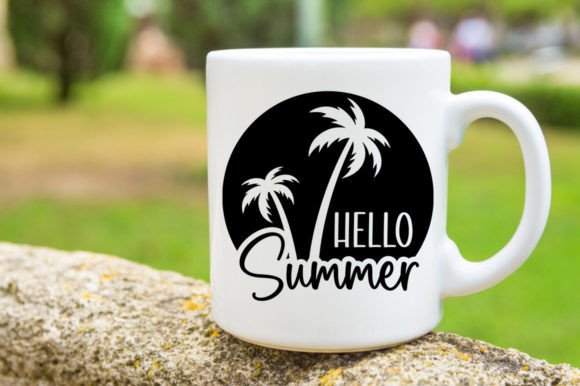
Hello Summer Svg Mug: A Designer’s Embroidery Review
First Impressions: Translating Digital Graphics to Thread
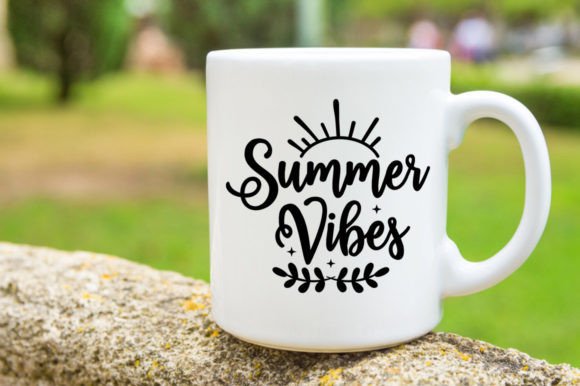
As a professional embroidery designer and product reviewer, I approach every new digital asset with a critical eye. When I first opened the Hello Summer Svg Mug file, my immediate focus was not just on its aesthetic appeal for vinyl or print, but on its structural integrity for needle and thread. In the world of Crafts and Graphics, a design that looks stunning on a screen can sometimes become a puckered mess on fabric if the lines are too intricate or the spacing is insufficient. My initial assessment of this design is positive; it possesses a cheerful, welcoming mood that translates well into textile art. The typography appears bold enough to support a satin stitch border without collapsing, and the overall layout suggests a balanced composition that would sit comfortably within a standard 4x4 or 5x7 hoop.
However, because this is marketed primarily as an SVG for cutting machines like Cricut and Silhouette, an embroiderer must perform due diligence. Before loading this into digitizing software, I look for clean vector nodes. For a machine embroidery design, we need continuous paths rather than fragmented shapes. The "Hello Summer" theme naturally evokes images of beach days, cold drinks, and outdoor gatherings, making it a versatile candidate for seasonal merchandise. Yet, the transition from a flat graphic to a textured embroidery project requires careful planning regarding stitch density and fabric interaction.
Real-World Application: Stitching a Seasonal Tote Bag
To truly evaluate the Hello Summer Svg Mug, I mentally mapped out a specific client request: a custom canvas tote bag intended for a boutique hotel's summer welcome kit. This scenario tests the design's durability, visual clarity, and commercial viability. Canvas is a forgiving fabric, but it has a distinct weave that can swallow fine details. For this tote bag design, I would likely convert the main text elements into a combination of fill stitches and running stitch outlines to prevent excessive stiffness. A heavy satin stitch across a large area on canvas can cause the bag to lose its drape, making it feel more like cardboard than a functional accessory.
In this real-life application, the design serves as the centerpiece of a personalized gift or branded merchandise. I envision pairing the graphic with a coordinating monogram in a lighter weight font to maintain hierarchy. As an Etsy seller or small business owner, you want the finished product to photograph well for listings. The bold nature of this summer-themed graphic allows for high-contrast thread choices—perhaps a navy blue on natural canvas or a coral pink on white linen—that pop in printable mockups and attract buyer engagement. The key here is ensuring the design retains its "mug" or beverage-related charm without becoming so dense that it compromises the utility of the bag.
Navigating Fabric Challenges and Hoop Limitations
While the Hello Summer Svg Mug shines on stable woven fabrics, caution is required when venturing into more challenging territories. If you plan to use this for sweatshirt embroidery or stretchy knit apparel, the stabilizer choice becomes non-negotiable. Knits move; they stretch and distort under the tension of the hoop. Without adequate cut-away stabilizer and perhaps a topping to prevent stitches from sinking into the fleece, the cheerful summer lettering could warp, leading to a misaligned and unprofessional result. Always test on a scrap of the exact garment material before committing to a production run.
Furthermore, consider the hoop size limitations relative to the design's detail. If you attempt to shrink this design down for a baby onesie or a small pocket logo, the internal negative spaces may close up during stitching. Tiny serifs or thin connecting lines in the original SVG might turn into thread blobs at smaller scales. For baby embroidery or items requiring frequent washing, simplicity is safety. You may need to manually adjust the embroidery file to simplify corners or increase column widths. Conversely, if applying this to a curved surface like a cap, ensure the design isn't too tall vertically, as the curve of the hat will distort straight horizontal lines. In such cases, a slight arc adjustment in your digitizing software can save the final appearance.
Commercial Viability and Brand Consistency
For creative entrepreneurs and makers, the value of the Hello Summer Svg Mug extends beyond a single project. It represents a potential revenue stream through seasonal collections. However, professionalism dictates that you verify licensing before selling any finished product. Does the license cover commercial embroidery? Can you sell the physical embroidered items, or only the digital files? Clarifying this protects your craft business from legal issues. Assuming commercial rights are secured, this design offers excellent versatility for cross-platform branding. Matching an embroidered patch on a staff apron with printed stickers and signage creates a cohesive brand experience that builds customer trust.
The visual appeal of this design also impacts perceived value. A cleanly stitched, well-digitized version of this graphic signals quality. Buyers can distinguish between a rushed job and a thoughtful handmade product. When using this for commercial embroidery, consistency is key. Document your thread colors, stabilizer types, and machine settings. This ensures that the tenth tote bag looks identical to the first, maintaining brand integrity. For those selling digital assets or offering customization services, providing accurate color charts and realistic previews helps manage client expectations and reduces revision requests.
Essential Designer Notes for Success
Before you thread your needle, adhere to these practical guidelines to ensure the Hello Summer Svg Mug performs as expected:
- Verify File Compatibility: Since the product description highlights SVG formats for cutting machines, confirm you have or can create a proper embroidery format (PES, DST, JEF, etc.). Do not assume an SVG auto-converts perfectly to stitches without manual digitizing oversight.
- Test Stitch Density: Run a sew-out on scrap fabric similar to your final project. Check for gaps between columns or overly dense areas that could cause needle breaks or fabric tearing.
- Evaluate Contrast: Test the design in both black-and-white and full-color mockups. Ensure the design reads clearly against various background shades, especially if offering multiple garment color options.
- Check Licensing Terms: Explicitly review the included documentation regarding commercial use, modification rights, and attribution requirements before listing any item for sale.
- Stabilizer Selection: Match your stabilizer to the fabric weight and stretch. Use tear-away for stable wovens and cut-away for knits or stretchy materials to prevent distortion over time.
- Mockup Accuracy: When creating listings, use realistic textures in your printable mockups. Showing the design on actual fabric texture rather than a flat digital render increases buyer confidence and reduces returns.
- Detail Inspection: Zoom in to 100% in your embroidery software to inspect small text or decorative accents. If elements are thinner than 1mm, consider widening them or converting them to running stitches to ensure visibility after washing.
Ultimately, the Hello Summer Svg Mug holds significant promise for seasonal crafting and small business inventory. Its success, however, relies entirely on the maker's willingness to treat it as a foundation rather than a finished solution. By respecting the physics of thread and fabric, and by validating technical specifications before production, you can transform this digital graphic into a beloved, tangible piece of summer nostalgia that customers will cherish.