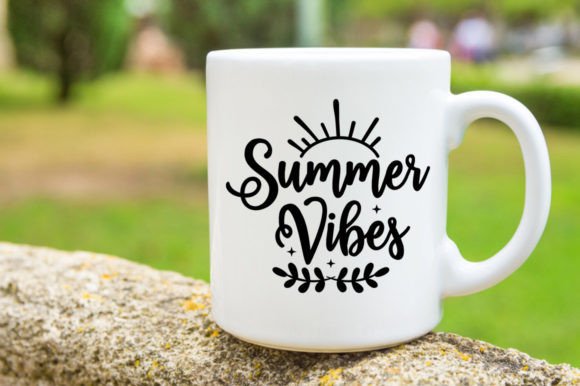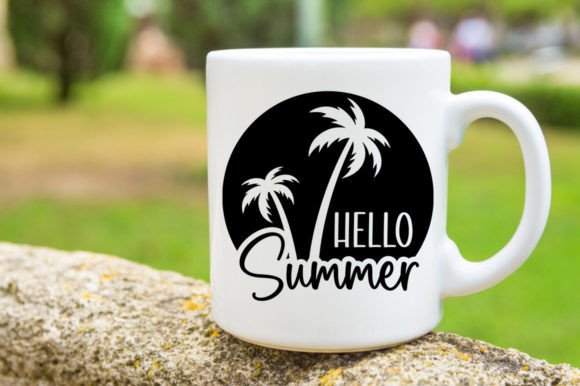
No One Likes a Shady Beach SVG Mug Review
As a designer who spends more time behind an embroidery machine than a computer screen, I approach every new graphic with a healthy dose of skepticism. When I first opened the files for the No One Likes a Shady Beach Svg Mug, I wasn't just looking at a cute summer phrase; I was mentally calculating stitch counts, stabilizer requirements, and fabric compatibility. This design falls squarely into the intersection of Crafts and Graphics, but its true test lies in how it translates from a digital vector to a tangible, stitched product. For fellow Etsy sellers, apparel decorators, and makers, understanding this translation is the difference between a bestseller and a production headache.
First Impressions and Visual Personality
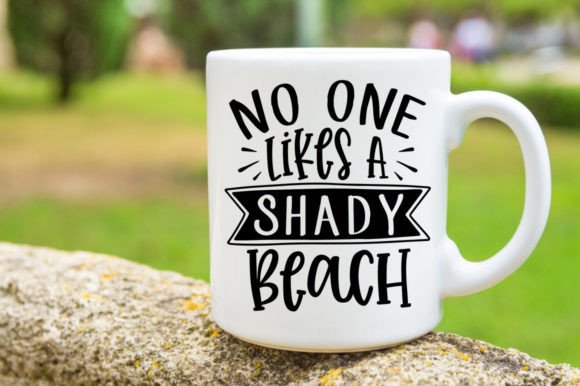
The initial mood of this design is undeniably playful yet cautionary. It captures that specific coastal humor that resonates with beachgoers who know the struggle of finding good shade. Visually, the layout suggests a balance between typography and illustrative elements, likely featuring a sun or umbrella motif alongside the text. As a machine embroidery design, this personality is gold. It isn't overly cutesy, which broadens its demographic appeal beyond just children’s wear to adult custom apparel and home decor.
However, as a reviewer, my immediate concern is legibility. In the world of Graphics, thin lines and distressed textures look fantastic on screen. In embroidery, they can be disastrous if not digitized with intention. The "shady" aspect implies potential shadow effects or gradient fills. If this is achieved through complex color blending rather than distinct thread changes, it may require significant editing before it becomes a viable embroidery file. A successful adaptation relies on clean satin stitches for outlines and manageable fill stitches for solid areas, ensuring the humor reads clearly from a distance.
Real-World Application: The Canvas Tote Test
To truly evaluate this asset, I envision a specific real-life scenario: creating a premium canvas tote bag for a boutique client's summer collection. Totes are high-stakes projects because the fabric is unforgiving and the usage is rugged. I picture hooping a 12oz natural canvas with a medium-weight cutaway stabilizer. Here, the No One Likes a Shady Beach Svg Mug design needs to perform as a centerpiece.
In this application, I would treat the design as a potential applique design hybrid. Instead of stitching out heavy fill areas for the background elements, using fabric scraps for the sun or umbrella shapes reduces stitch density significantly. This prevents the "bulletproof" patch effect that makes tote bags stiff and unappealing. The text itself would benefit from a bold running stitch or a narrow satin column to ensure it doesn't get lost against the textured canvas weave. If the design holds up here, maintaining clarity without excessive puckering, it earns its place in a professional craft business lineup.
Versatility Across Products and Surfaces
Beyond totes, this design shows promise for various handmade products. Its horizontal orientation typically associated with mug designs actually adapts well to:
- Sweatshirt Embroidery: Centered on the chest of a cream-colored fleece. The contrast of dark thread on light fabric maximizes readability.
- Kitchen Towels: Placed above the hanging loop. Tea towels see frequent washing, so stitch integrity is paramount here.
- Embroidered Patches: Scaled down for hats or denim jackets. This requires testing tiny lettering limits.
- Holiday Embroidery: Perfect for family reunion shirts or bachelorette party favors where inside jokes about beach trips are common.
For Etsy sellers, this versatility means one digital purchase can yield multiple SKU listings. However, each surface demands respect. A design that works beautifully on a flat mug wrap via vinyl might need structural reinforcement when converted to thread on a curved cap or stretchy baby onesie.
Critical Considerations for Stitching Success
While the aesthetic is strong, practical execution requires vigilance. There are specific environments where the No One Likes a Shady Beach Svg Mug must be handled with care. Small hoop sizes are the first red flag. If you attempt to shrink this design to fit a 4x4 hoop for a baby bib, the internal details of the lettering will likely merge, creating illegible blobs. Always check the minimum recommended size before scaling down.
Fabric texture also dictates success. On high-pile fabrics like terry cloth or plush blankets, the fine details of this graphic risk sinking into the nap. You must use a water-soluble topping to keep the stitches visible. Conversely, on thin, stretchy knits used for baby embroidery or lightweight tees, the design could cause tunneling if the stitch density is too high. In these cases, using a lighter tear-away stabilizer or even modifying the file to reduce underlay stitches becomes necessary.
Dark fabrics present another challenge. If the original SVG relies on black ink for definition, stitching it onto a navy sweatshirt renders the design invisible. You must plan for thread color contrast. White, cream, or metallic threads often work better for beach themes on dark garments than trying to replicate the original digital colors exactly.
Professional Notes for Makers and Sellers
Before listing any finished product derived from this file, run through this professional checklist. These steps protect your reputation and ensure customer satisfaction:
- Test on Scrap Fabric First: Never stitch directly onto a final product without a sew-out. Check for registration issues between text and graphics.
- Verify Licensing: Confirm whether your purchase includes commercial rights for selling physical items versus digital files. This distinction is vital for small shop product compliance.
- Check Thread Colors: Simulate the design in your embroidery software to see if the color sequence is logical. Excessive jumps waste time and thread.
- Inspect Small Details: Zoom in to 100% in your software. Any element smaller than 1mm wide may need to be removed or simplified to prevent needle breaks.
- Create Printable Mockups: Before investing in inventory, place the design on digital mockups to gauge customer interest. This validates the market for specific items like tumblers or signs.
- Confirm Hoop Size Compatibility: Ensure the design dimensions fit your machine’s maximum field without requiring re-hooping or splitting.
Evaluating Value and Customer Appeal
Ultimately, does the No One Likes a Shady Beach Svg Mug deliver value? From a business perspective, yes, provided it is executed correctly. Designs with relatable, niche humor tend to have higher conversion rates than generic graphics because they trigger an emotional response. They feel like personalized gifts even when sold ready-made.
For the maker, the value lies in adaptability. Because the source is an SVG intended for Cricut and Silhouette users, it offers clean vectors that are easier to trace or auto-digitize than raster images. This saves hours of manual cleanup. However, remember that a vector file is not an embroidery file. The transition requires skill. If you lack digitizing experience, seek out a pre-digitized version specifically formatted for machines to avoid frustration.
When presented professionally—with crisp stitching, appropriate stabilizer choices, and thoughtful placement—this design elevates the perceived value of your merchandise. It signals to buyers that you understand both current trends and quality construction. Whether you are making a single personalized gift for a friend or stocking a booth at a coastal craft fair, respecting the technical realities of this graphic ensures the final result is as sunny as the sentiment intends.