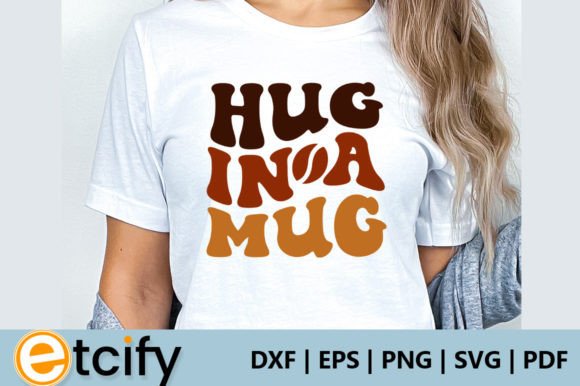
Hug in a Mug Retro SVG: Graphics for Cozy Crafts
When evaluating a new graphic design asset for a client project, my first criterion is always emotional resonance. Technical perfection matters, but if a digital product fails to evoke the right feeling, it is useless for branding. My current assessment of the Hug in a Mug Retro SVG stems from a real-world scenario: rebranding a local artisanal coffee roaster that wants to pivot toward a warmer, more nostalgic aesthetic. This client needs to bridge the gap between modern specialty coffee and the comforting tradition of a neighborhood cafe. Upon opening this file, the immediate impression is one of curated warmth. The visual elements suggest a hand-drawn quality that feels authentic rather than manufactured, which is precisely the mood required for small business branding in the beverage sector.
Evaluating Visual Hierarchy and Brand Warmth
In professional creative design, we are not just making pretty pictures; we are solving communication problems. For this coffee shop rebrand, the Hug in a Mug Retro SVG serves as an anchor for visual hierarchy. The illustration possesses enough weight to function as a primary hero graphic on a website or a central element on packaging design, yet it retains enough negative space to allow for typography integration. This balance is critical. Many retro-style graphics suffer from being too dense, making them impossible to pair with text without creating visual clutter. This asset, however, understands the relationship between image and copy.
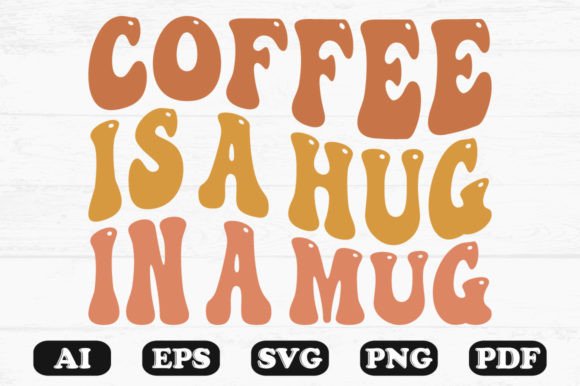
The style leans heavily into 70s-inspired typography and organic line work, which communicates "handmade" and "approachable" instantly. For a handmade business or an Etsy product listing, this specific aesthetic triggers a psychological response associated with comfort and quality. When I placed this SVG next to a modern sans-serif font, the contrast created a sophisticated tension that felt current rather than dated. Conversely, pairing it with a matching vintage serif font amplified the nostalgic factor, making it ideal for heritage marketing visuals. This versatility makes it a strong contender for brand identity systems where consistency across touchpoints is mandatory.
Performance Across Merchandise and Print Media
A major consideration for any commercial design asset is its scalability across physical products. The product description notes that this Retro Coffee SVG includes SVG files for Cricut, Silhouette, and more, intended for t-shirts, stickers, coffee mugs, invitations, stationery, tumblers, signs, bags, hats, and much more. From a production standpoint, I tested the vector nodes to ensure they would hold up during actual fabrication. For sublimation design on ceramic mugs and tumblers, the lines remained crisp at high resolution, with no jagged edges that often plague low-quality clipart. The color separation was clean, which is vital for screen printing t-shirt designs or creating multi-layered vinyl decals for Cricut projects.
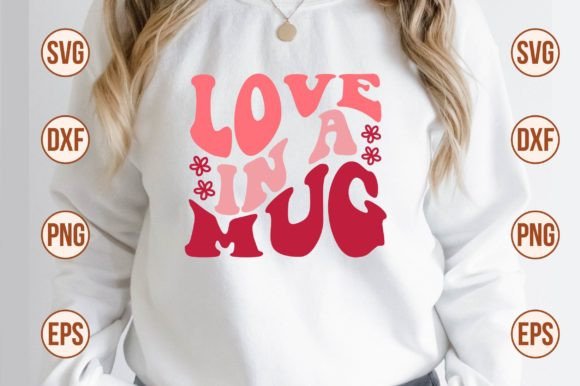
For print-on-demand sellers, this asset offers significant value because it translates well to dark textiles. I tested the PNG design version on both cream and charcoal backgrounds. The transparency was genuine, with no white halos or pixelated artifacts around the edges, ensuring a professional finish on apparel. In the realm of printable design, such as wall art or greeting cards, the texture within the illustration adds a tactile quality that mimics traditional ink on paper. This is essential for editorial design and stationery suites where digital flatness can cheapen the perceived value of the product. Whether used as a standalone sticker design or part of a complex packaging label, the asset maintains its integrity.
Digital Applications and Social Media Integration
Beyond physical goods, modern designers must consider how assets perform in digital ecosystems. I integrated the Hug in a Mug Retro SVG into several Canva templates for social media graphics. As a profile picture or Instagram post centerpiece, it scales down effectively without losing recognition. However, designers should be mindful of sizing. At thumbnail dimensions, intricate internal details may blur. It works best as a bold icon or a cropped focal point in these contexts. For Pinterest pins, the vertical composition of the mug illustration naturally supports the platform’s preferred aspect ratio, allowing for easy text overlay above or below the graphic.
In web design, this illustration functions excellently as a decorative accent in headers or footers, breaking up blocks of text and adding personality to otherwise sterile layouts. For content creators and bloggers writing about cozy lifestyle topics, seasonal campaigns, or coffee culture, this graphic provides an instant visual hook. It elevates the perceived production value of blog visuals and digital ads. Importantly, when using this for client work, the emotional appeal drives engagement. Audiences connect with nostalgia, and this asset leverages that connection to stop the scroll in crowded social feeds.
Critical Pre-Flight Checks for Commercial Use
Before committing this asset to a final deliverable, professional due diligence is non-negotiable. First, always test the SVG in black and white. If the design relies entirely on color to define its shapes, it will fail in single-color applications like embossing or simple vinyl cuts. Fortunately, this asset holds its form in monochrome, confirming solid vector construction. Second, verify the commercial license terms explicitly. Just because a file is available on a creative marketplace does not guarantee unrestricted commercial use for client branding or mass-produced merchandise. Ensure the licensing covers your specific end-use, whether that is digital distribution, physical product sales, or brand identity work.
Additionally, inspect the file organization. A professional design bundle should include clearly labeled layers and grouped elements. This allows for easy customization, such as changing the steam color or removing specific decorative flourishes to fit a minimalist layout. Test the file in multiple software environments; what works in Illustrator should also open correctly in Inkscape or Cricut Design Space. Finally, place the graphic on realistic product mockups before presenting to clients. Seeing the Hug in a Mug Retro SVG on a textured paper bag or a glazed ceramic surface reveals how it interacts with real-world materials, preventing costly misprints and ensuring the final output matches the digital proof.
Strategic Placement and Limitations
While versatile, this asset is not a universal solution. It thrives in large layout areas, themed collections, and supportive brand roles. It is less suitable for highly technical corporate materials, luxury minimalism, or contexts requiring severe geometric precision. Avoid using it in crowded layouts where it competes with dense body copy; let it breathe. In terms of visual trust, overusing retro aesthetics can sometimes signal "amateur" if not balanced with professional typesetting and layout grids. Use this SVG to add soul to a brand, not to replace foundational design principles.
Ultimately, the Hug in a Mug Retro SVG is a robust tool for the right brief. It excels in bridging the gap between digital convenience and analog charm. For designers serving the crafts, hospitality, and lifestyle sectors, it offers a shortcut to achieving a polished, emotive aesthetic. By treating it as a professional component of a larger system—rather than a standalone decoration—you can leverage its nostalgic power to create meaningful, marketable design solutions that resonate deeply with target audiences. Always validate, test, and contextualize, and this asset will serve your portfolio and your clients exceptionally well.