Love is Where Dogs Are SVG: An Embroidery Review
As a professional embroidery digitizer and product reviewer, I approach every new machine embroidery design with a healthy dose of skepticism. The market is flooded with graphics that look pristine on a screen but turn into thread nests or unreadable text once they hit the hoop. When evaluating the "Love is Where Dogs Are" SVG for potential use in my custom apparel line and client projects, my primary concern was translatability. This file is marketed as a versatile cut file for Cricut users and a high-resolution print asset, but for those of us in the Crafts sector who rely on needle and thread, the real test is how these vector lines convert into stitches.
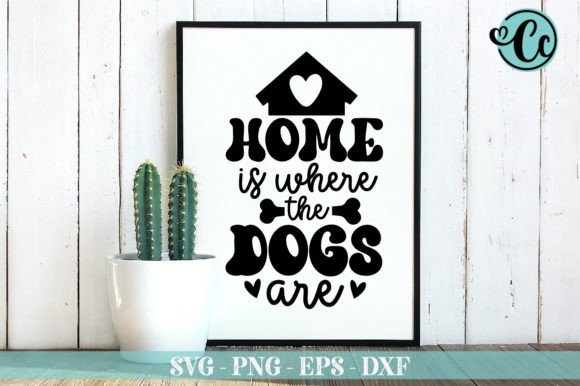
My first impression of this design is that it possesses a rustic, heartwarming aesthetic that resonates deeply with dog owners. The typography appears hand-lettered rather than mechanically typed, which usually bodes well for embroidery because organic lines forgive minor stitching imperfections better than rigid geometric fonts. The inclusion of paw prints adds visual rhythm without overwhelming the composition. However, as an experienced designer, I immediately began mentally mapping out where the potential pitfalls lie. A design intended for vinyl cutting often lacks the necessary underlay and pull compensation required for a stable embroidery file. Before loading this onto my machine, I had to assess whether the original vectors were robust enough to support a satin stitch border or if they would require significant modification to prevent fabric distortion.
Real-World Application: The Custom Tote Bag Test
To truly evaluate this asset, I simulated a real-life scenario common to many Etsy seller workflows: creating a personalized tote bag design for a client’s dog rescue fundraiser. Canvas totes are unforgiving; the weave is coarse, and the fabric has zero stretch, meaning any density issues become immediately apparent. I envisioned the "Love is Where Dogs Are" phrase centered on a natural cotton canvas bag, using a deep navy thread for the text and a warm terracotta for the paw accents.
In this context, the design’s layout proved advantageous. The horizontal orientation fits perfectly within standard rectangular hoops, minimizing re-hooping risks. However, because this is primarily sold as a layered SVG for printing and cutting, I had to be vigilant about stitch density. If I were to run this as a full fill stitch on heavy canvas, the result would be bulletproof and stiff. Instead, I found that treating the lettering as a running stitch outline with a light fill, while keeping the paw prints as dense applique design elements, created the best balance. This approach maintained the handmade charm appropriate for a charity item while ensuring the bag remained functional and soft. For commercial embroidery purposes, this adaptability is crucial; customers want merchandise that feels artisanal, not industrial.
Navigating Fabric Variables and Hoop Limitations
While the design shines on stable woven fabrics like canvas or denim, caution is required when applying it to more challenging substrates. I frequently see crafters struggle when attempting detailed quote designs on stretchy knits or textured terry cloth. If you plan to use this for sweatshirt embroidery or baby embroidery, you must account for the fabric's movement. The intricate curves in the script lettering can easily distort on fleece if the stabilizer choice is inadequate. I recommend a cut-away stabilizer with a fusible backing for knit garments to lock the fabric grain in place before stitching begins.
Furthermore, consider your hoop size limitations. The aspect ratio of "Love is Where Dogs Are" suggests it was designed for visibility at a medium-to-large scale. Shrinking this design down for a 4x4 hoop or a cap front is risky. Small lettering loses legibility when reduced below a certain threshold, especially if the original vectors weren't optimized for micro-stitching. If your project requires a small footprint, such as a pocket logo or an embroidered patch, verify that the details remain distinct after resizing. On dark fabrics, ensure you have adequate contrast; the paw print details might get lost against black material unless you utilize a white underlay or adjust the thread colors to brighter tones. Always test on scrap fabric first to confirm that the visual hierarchy holds up outside of the digital preview.
Commercial Viability and Product Value
For creative entrepreneurs and small shop product developers, the value of this graphic extends beyond its aesthetic appeal. It taps into a highly specific emotional niche. In my experience, pet-related personalized gift items consistently outperform generic decor because they validate the customer's identity as a pet parent. However, professionalism dictates that we do not simply slap a downloaded file onto a shirt and call it done. The perceived value of your finished product depends entirely on execution quality.
When listing items featuring this design, your printable mockup should accurately represent the texture of the embroidery, not just the flat vector art. Buyers need to trust that the stitching will look as good in person as it does on screen. I also advise checking the licensing terms meticulously. Just because a file is labeled as a "Cricut Cut File" or "High-resolution print file" does not automatically grant rights for mass-produced commercial embroidery. Protect your business by confirming you have the appropriate license to sell physical goods bearing this artwork. This due diligence builds long-term brand consistency and prevents legal headaches down the road.
Designer Notes for Optimal Results
Before you commit this design to a final embroidery project, keep these practical checkpoints in mind:
- Verify File Compatibility: Since the product description highlights SVG and print formats, ensure you have converted or obtained a proper machine format (PES, DST, EXP) with correct stitch attributes before hooping.
- Test Stitch Density: Run a sample on your target fabric. If the design feels too thick or causes puckering, reduce the density or switch to a lighter stitch type.
- Check Small Details: Inspect the paw prints and serifs. If they are too small to stitch cleanly, edit them out or simplify the shapes to prevent needle breaks and thread bunching.
- Contrast Check: View the design in grayscale to ensure readability relies on value contrast, not just color hue. This is vital for holiday embroidery where tonal matching is popular.
- Stabilizer Selection: Match your stabilizer weight to the fabric, not the design. Heavy design on light fabric requires heavier stabilizer to prevent cupping.
- Licensing Confirmation: Double-check if the license covers both digital resale and physical product sales, especially if you operate a hybrid craft business.
Ultimately, "Love is Where Dogs Are" offers a strong foundation for heartfelt, pet-centric merchandise. Its success in your shop will depend less on the digital file itself and more on your technical ability to translate those vectors into tangible, high-quality stitches. By respecting the mechanics of embroidery and testing thoroughly, you can transform this versatile graphic into a best-selling staple for your handmade business.