Martin Coat of Arms Bundle: A Designer's Review
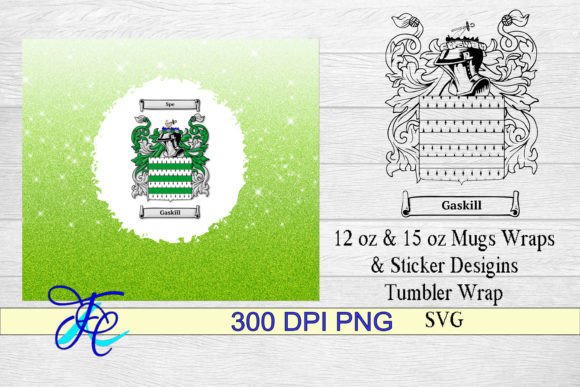
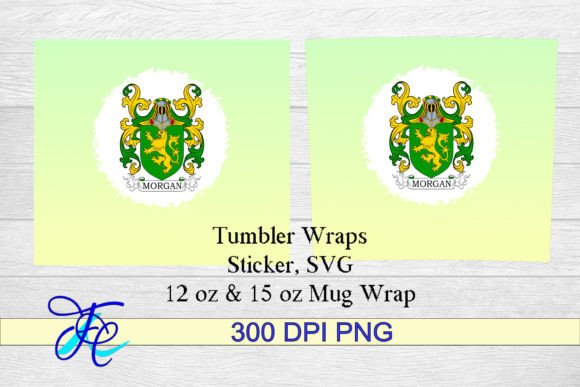
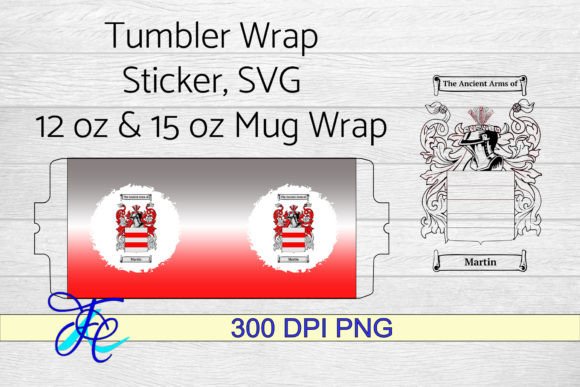
When evaluating digital assets for family reunions or heritage projects, the transition from screen to stitch is where the real test begins. As a designer who regularly bridges the gap between digital graphics and tangible machine embroidery design, I approached the Martin Coat of Arms Bundle with a specific lens: does this artwork translate into a high-quality finished product? This bundle, which includes tumbler wraps, stickers, mug wraps, and SVG/PNG files, is marketed heavily toward reunions and family get-togethers. While it shines as a print asset, my review focuses on its viability for crafters and Etsy sellers looking to expand this graphic into embroidered merchandise.
First Impressions: Heraldry Meets Modern Crafting
The visual personality of the Martin Coat of Arms Bundle strikes a balance between traditional heraldic authority and modern vector cleanliness. For a craft business focused on genealogy or family pride, this aesthetic is gold. The layout suggests a structured crest, likely featuring shields, banners, and ornate typography. From a design perspective, the lines appear crisp in the provided PNG and SVG formats, which is the first indicator of a successful digitization potential. However, as any experienced embroiderer knows, a clean vector does not automatically equal a clean stitch out.
The mood this design creates is one of legacy and belonging. It feels substantial. When I look at this file, I immediately envision it anchored on a heavyweight canvas tote bag design or centered on a navy crewneck sweatshirt. It carries enough visual weight to serve as a primary focal point rather than just a decorative accent. For personalized gift creators, this sense of permanence is exactly what clients are paying for when they request family crests.
Real-World Application: Stitching the Martin Crest
To truly evaluate this bundle, I mentally mapped it onto a recent client project: a custom embroidered tote bag for a multi-generational family reunion. The goal was to create a keepsake that felt premium, not like a cheap promotional giveaway. Here is how the Martin Coat of Arms Bundle performs in that practical scenario.
For custom apparel and bags, the design’s hierarchy matters. If the bundle includes intricate scrollwork or tiny motto text, these elements dictate your hoop size. In my test scenario, scaling the design down to fit a 4x4 hoop would likely compromise the legibility of any serif fonts or thin border lines. This design naturally belongs in a 5x7 or larger format to maintain the integrity of the satin stitch columns and prevent the fill stitch areas from becoming bulletproof patches of thread.
I also considered its use for holiday embroidery on tea towels. Linen and cotton blends have a distinct fabric texture that can swallow fine details. Because coat of arms designs often rely on contrasting quarters within a shield, using an applique design technique here could be superior to full-fill embroidery. This reduces stitch count, preserves the drape of the towel, and allows the fabric itself to contribute to the color blocking, making the handmade product feel more artisanal and less industrial.
Navigating Technical Challenges and Fabric Choices
While the Martin Coat of Arms Bundle is versatile, it requires careful handling in specific contexts. Heraldic designs are dense by nature. If you are planning sweatshirt embroidery on fleece or French terry, you must account for pile. The textured surface of knit fabrics can push stitches apart, revealing gaps in satin borders. Using a water-soluble topping is non-negotiable here to keep the design crisp.
Be cautious with stretchy fabrics or performance wear. A rigid, high-density crest can cause puckering or distortion on lightweight knits. If adapting this for baby embroidery on onesies, I would strongly advise simplifying the design. Remove the outer flourishes and focus solely on the central shield. High stitch density on infant garments creates a stiff, uncomfortable patch that parents will avoid using. Always prioritize wearability over visual complexity for children's items.
Dark fabrics present another consideration. If the original graphics rely on subtle shading or gradients (common in digital prints), remember that embroidery thread has no gradient. You will need to manually adjust thread colors to create contrast through value rather than shade. Test the design in black and white mockups before stitching; if the elements blend together in grayscale, they will blend together in tone-on-tone embroidery.
Commercial Viability for Makers and Sellers
For the small shop product lineup, this bundle offers excellent cross-platform potential. The inclusion of mug and tumbler wraps allows you to offer matching sets—an embroidered coaster paired with a printed tumbler, for example. This cohesion builds brand consistency and increases average order value. However, transparency is key. The product description notes that print colors may vary due to home printers. As a seller, you must manage expectations regarding color matching between the printed sticker and the embroidered patch. Thread brands do not perfectly match CMYK ink, so market these as coordinating pieces rather than identical matches.
When listing on Etsy or at craft fairs, professional presentation drives buyer engagement. Use the provided PNG files to create high-quality printable mockup previews, but always supplement them with photos of actual stitched samples. Customers trust what they can see stitched. Showing the Martin Coat of Arms Bundle rendered in thread validates its quality as a digital embroidery file adaptation and proves you understand the medium.
Essential Designer Notes Before You Hoop Up
Before committing this design to a final embroidery project, run through this practical checklist to ensure professional results:
- Verify Licensing: Confirm whether your purchase includes commercial rights for selling finished embroidered goods versus just the digital print files. Graphics licenses and embroidery digitizing licenses are often separate.
- Test on Scrap Fabric: Never stitch a complex crest directly onto a final garment first. Test on a scrap of the exact material you intend to use to check for registration issues or density problems.
- Check Stabilizer Pairing: For structured items like caps or bags, use firm cut-away stabilizer. For towels or linens, combine tear-away backing with water-soluble topping.
- Inspect Small Details: Zoom in to 100% in your embroidery software. Any text smaller than 6mm or satin stitches narrower than 1mm may need to be redrawn or removed to prevent needle breaks and thread shredding.
- Evaluate Washability: If creating kitchen towels or aprons, ensure the design isn't so dense that it traps moisture or takes forever to dry. Open up fill patterns where possible.
- Color Contrast Check: View the design against both light and dark backgrounds digitally before selecting threads to ensure all heraldic elements remain distinct.
The Martin Coat of Arms Bundle is a robust starting point for heritage-themed crafts. By respecting the technical limitations of thread and fabric, and by leveraging the included digital assets for cohesive branding, makers can transform this graphic collection into meaningful, high-value embroidered heirlooms. Whether you are stitching for a single family reunion or building a niche commercial embroidery line, success lies in treating the digital file as a blueprint, not a guarantee, and applying skilled craftsmanship to every stitch.